
Corridor Strategy
Add Housing.
Strengthen Your Tax Base.
Avoid Neighborhood Backlash.
Corridor strategies give communities a clear, practical path to add housing, strengthen local economies, and create places people want to be—without picking fights in established neighborhoods.
Most communities already have the land they need—it’s just in the wrong places: aging strip malls, oversized parking lots, and corridors built for speed, not people.
We identify where growth can happen, test what’s financially viable, and focus your team on the sites that deliver results.
Pricing & Timing: From $20,000 · 6-week lead time · 3–12 month engagement
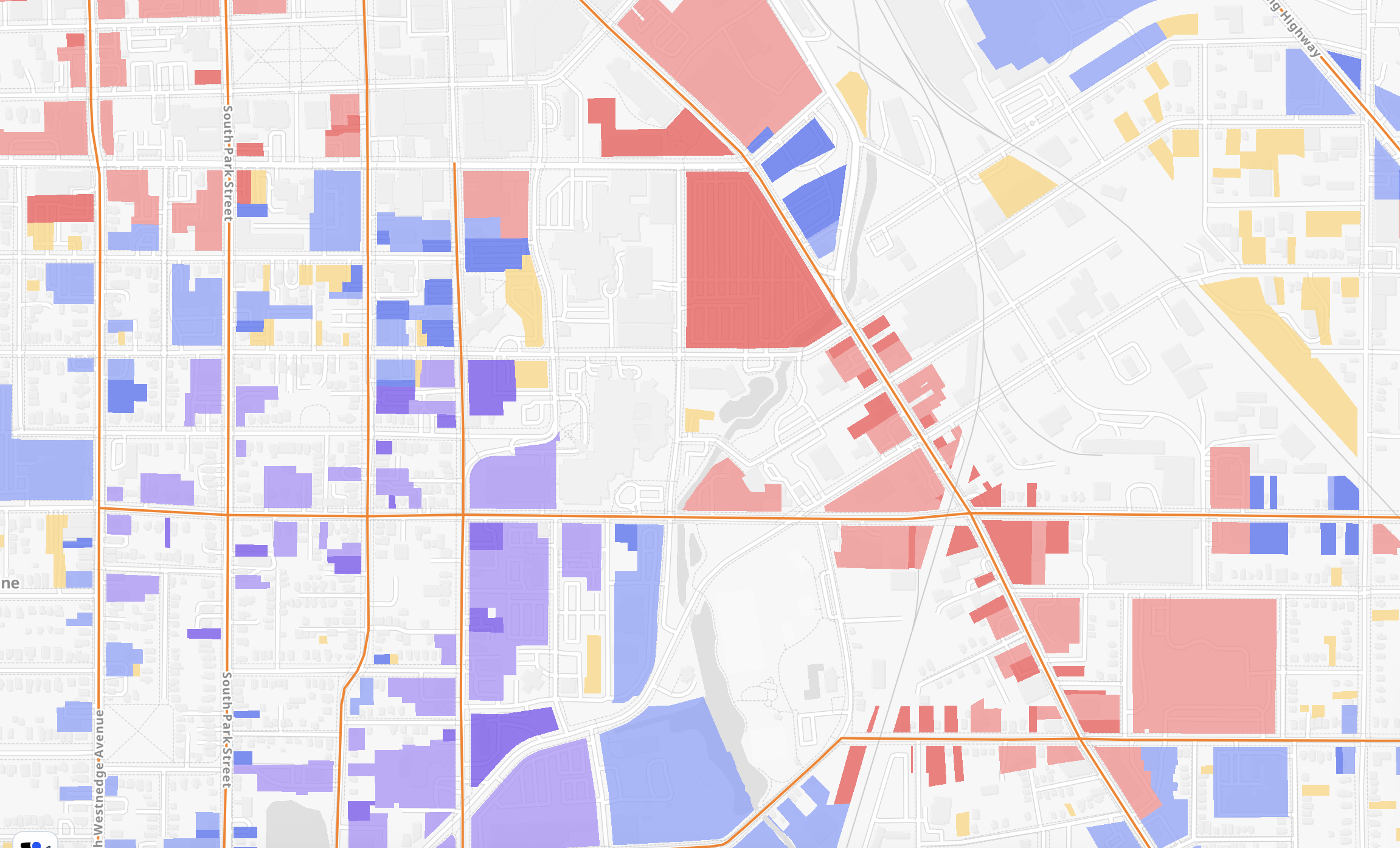
Anchored in Reality
Communities can’t plan for the future without understanding what they already have—and why it works the way it does.
We start with a clear-eyed look at infrastructure, land use, and market conditions to see what’s possible today—not just what plans say should happen.
Who this is for
You’re a local leader under pressure to address housing
Your community is trying to grow without triggering backlash
You’re making high-stakes decisions about where growth goes
You need results—not another plan
If this sounds like you, you’re in the right place. Let’s get to real work.
Guiding new investments to established corridors is the best way to support mixed-income neighborhoods, grow the local tax base, and avoid drawing battle lines with single family neighborhoods.
In order to do this effectively, local communities need reliable data, market knowledge, and access to flexible capital partners who are willing to invest in the long term. Flywheel helps to deliver all three.
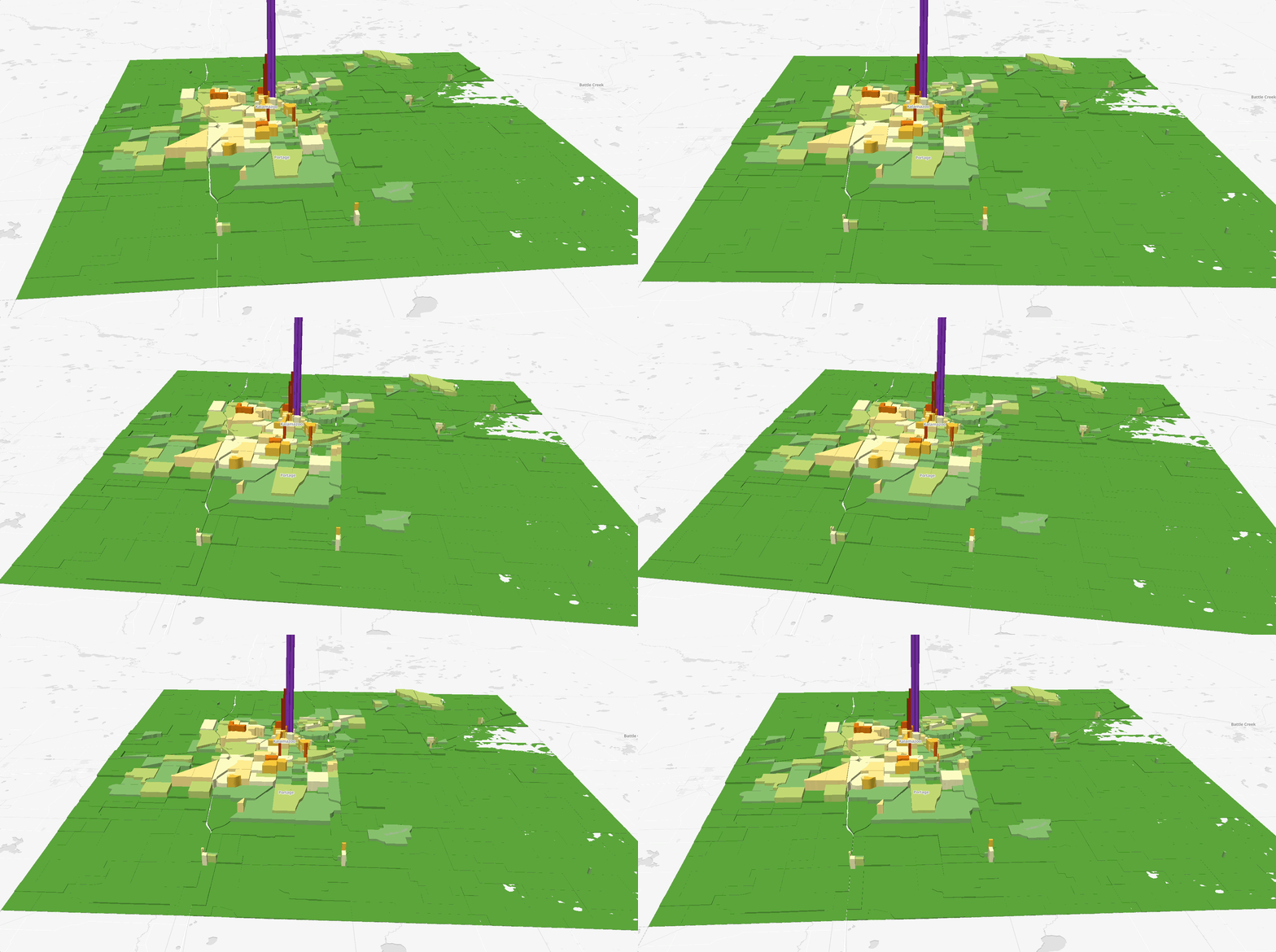
See What’s Working
Our value-per-acre analysis clarifies which areas generate value and which are subsidized—so you can focus growth where it works.
Let’s address the big questions
-
Yes. We don’t start with an ideology. We start with the land, the math, the infrastructure, and the market.
Our role is to show what is possible, what tradeoffs are real, and what decisions would be needed to move housing forward. That gives leaders a shared fact base for conversations that can otherwise get emotional fast.
-
Not always. Discovery, data review, and check-ins can happen virtually.
But for corridor strategy work, at least one in-person session is usually worth it. Some things just work better in the room: reading the dynamics, getting the right people around the same table, and grounding the work in what’s actually happening outside. That makes the strategy more useful—and more likely to move forward.
-
Most plans describe a vision. A corridor strategy shows what could actually happen next.
We pair beautiful, buildable concepts with the development math, policy changes, and market relationships needed to move projects forward. The result isn’t another plan for the shelf. It’s a practical path from “what if” to “what’s next.”
-
Bring the people who can help move the work from idea to action: local staff, elected leaders, economic development partners, housing organizations, key property owners, and trusted community voices.
We help structure the process so the right people are involved at the right moments—not everyone in every meeting.
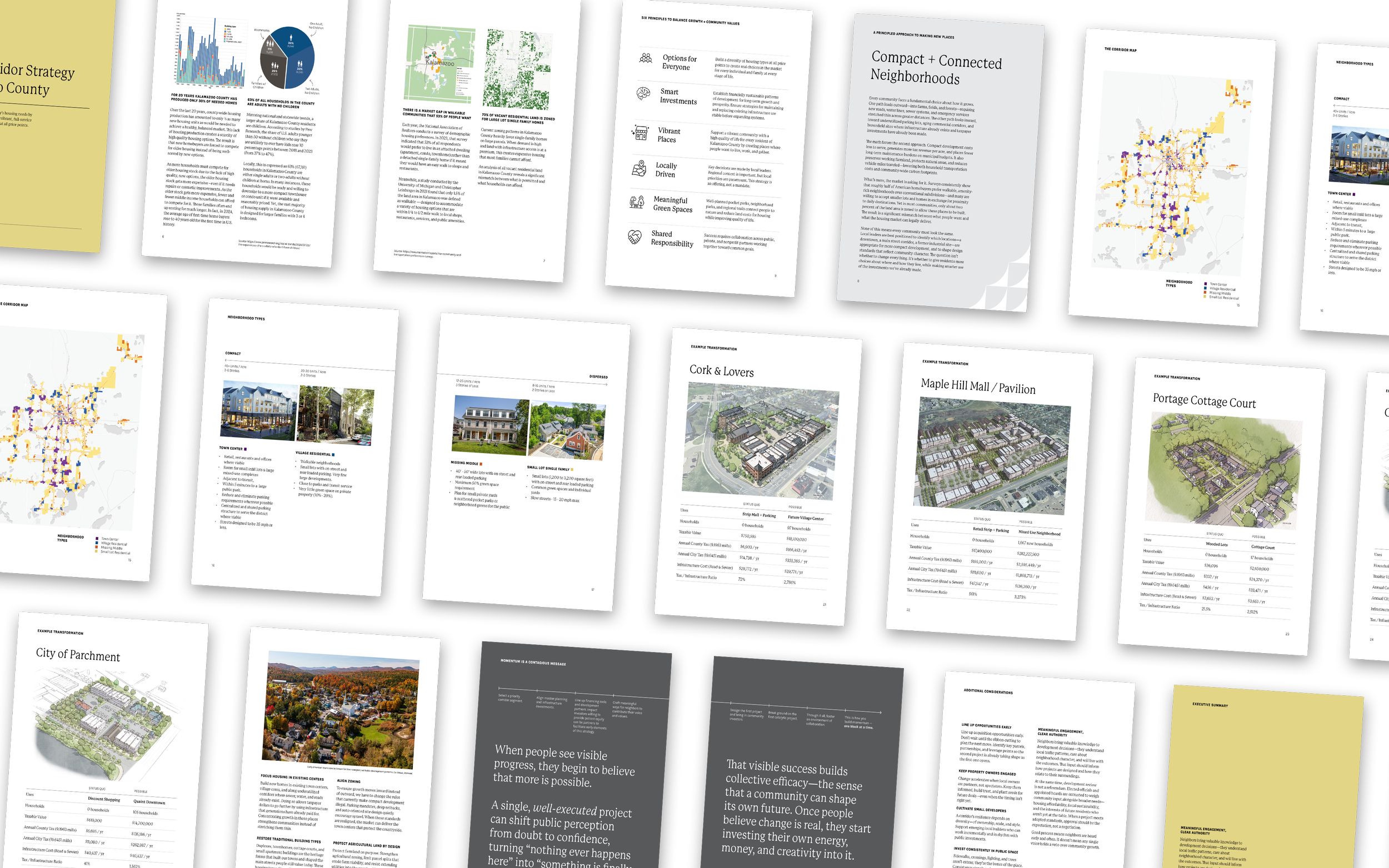
Corridor Strategy
Add Housing. Strengthen Your Tax Base. Avoid Neighborhood Backlash.